Revealing the Strength Hidden: Understanding Hydraulic Actuator Components and Their Critical Essential Purposes
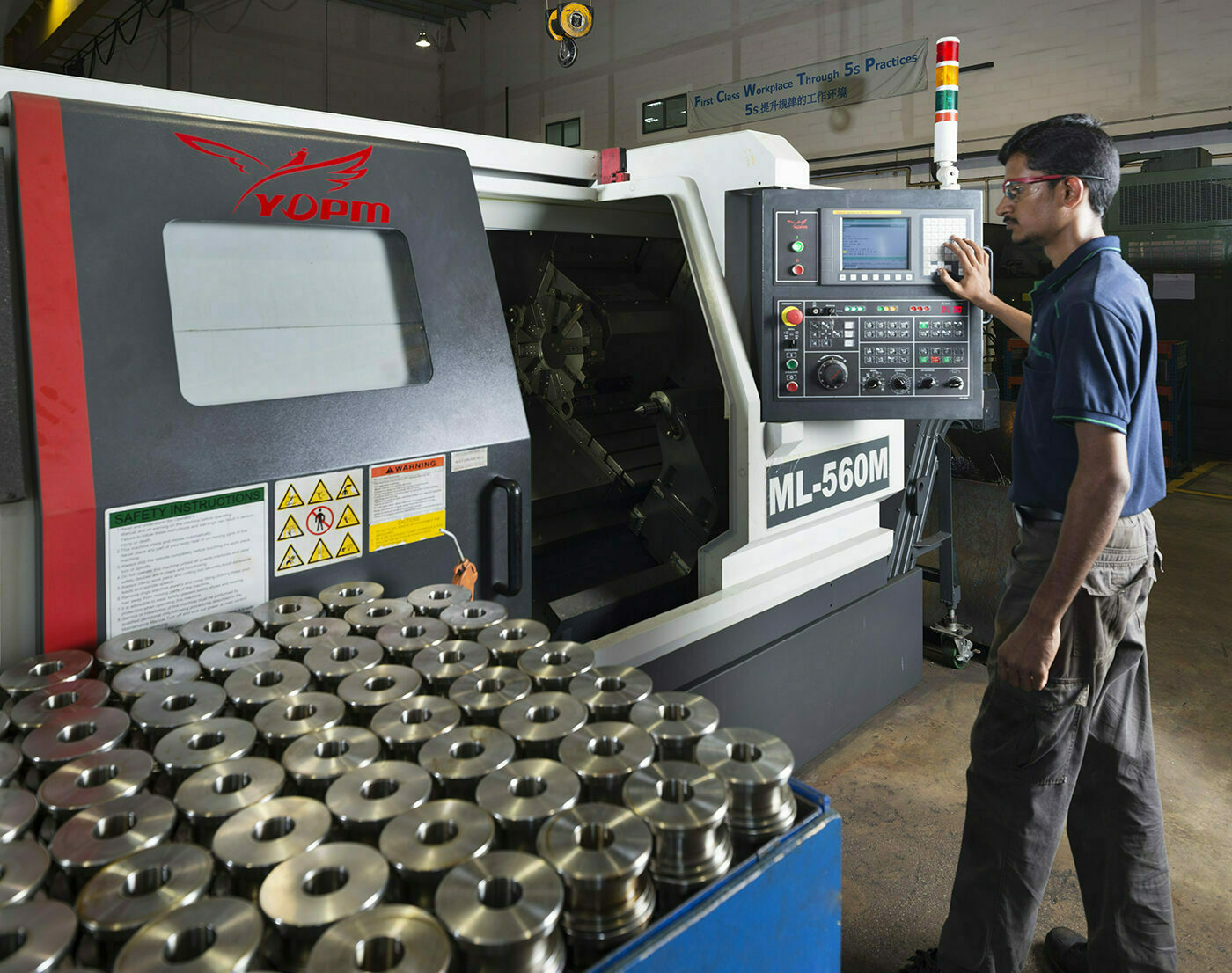
Hydraulic actuators are the often unseen heroes of numerous systems throughout the world, quietly operating heavy-duty operations in infrastructure, farming, industry, and mining projects. These robust industrial devices change pressurized oil into accurate, linear motion, lifting, pushing, drawing, and placing large materials with precision and consistency. While they may appear misleadingly plain from the surface, the efficiency of a mechanical actuator is the product of the perfect interaction of numerous internal components working together in perfect sync. Learning these key elements and their jobs is important for any technician engaged in design, control, or maintenance of mechanical equipment. Hydraulic cylinder parts
Primary Parts of a Industrial Actuator and Why They Work
At the heart of every mechanical actuator lies the pressure body, a finely engineered housing that contains the core moving elements. It acts as the main shell of the system and holds the hydraulic liquid that delivers force. Because it must endure extreme internal pressure and allow consistent operation, the inner surface of the tube is finely treated to strict tolerances.Inside this tube sits the piston, the active part that splits the inner chamber into distinct working zones. When pressurized oil is channeled to one face of the component, energy increases and drives the piston along the axis of the barrel. This movement is what effectively creates the controlled, linear movement that the unit is designed to provide. The piston’s alignment and seal within the tube are vital for efficient energy transfer and minimal oil loss.
Connected directly to the core is the output rod, a strong alloy arm that transmits the power produced within the system to the external equipment. Whether moving out to elevate a heavy load or pulling back to realign a assembly, the drive bar must be incredibly strong and damage-resistant. Often surface-treated or professionally processed to limit oxidation and friction, this rod ensures that the cylinder can deliver consistent output under the harshest environments. Hydraulic cylinder parts
How Understanding Hydraulic Elements Makes a Difference Even Than You Expect
Industrial actuators serve a major role in countless industrial applications, but their output and durability rely on the quality of every internal component. Learning the jobs of the main body, piston, rod, rings, and additional components allows operators to spot faults quickly, schedule repairs in advance, and take informed actions about fixes or replacements. A failed output sealing ring might cause liquid loss long ahead of a major failure becomes evident, and detecting this quickly can prevent significant interruptions and maintenance bills.Moreover, picking the proper mechanical unit for a given task requires awareness of how these components impact force, speed control, and lifespan. Whether you are specifying systems for a construction project, maintaining farming tools, or fixing factory systems, a strong grasp of industrial unit anatomy helps guarantee maximum performance.
As the foundation of so countless mechanical machines, mechanical cylinders require serious consideration. By understanding the jobs each element plays—from the power of the output bar to the sealing of a small ring—you release the full potential of your equipment and protect its function for many years to forward.
Find out more on - Hydraulic cylinder parts